Sets
234 Inhalte
- Seite 1 von 20
Oriaru
Name that can easily go onto 2 lines
Author that can easily go onto 2 lines as well
- Titel
- Oriaru
- Titel (en)
- Oriaru
- Untertitel
- Code For Culture
- Autor/in
- Beschreibung (de)
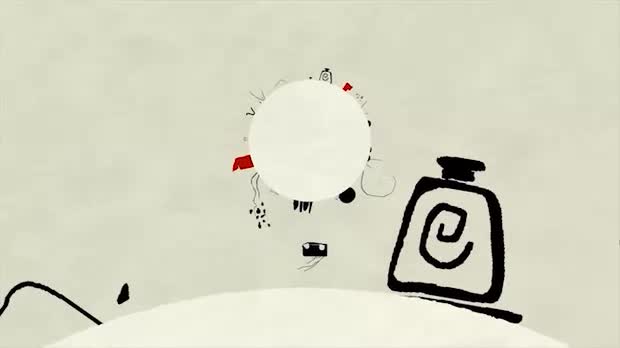
- Eine Runde Welt, auf welcher ein kleines schwarzes Wesen zu sehen ist. Es lässt sich nach Rechts und Links bewegen und mit fortschreitendem Spiel wird die Welt farbenfroher und füllt sich mit abstrakten, sich bewegenden Formen.
Hierbei handelt es sich um ein Serious Game, das im Rahmen des Code for Culture in Stuttgart entsatnden ist, ein Projekt der Open Culture BW der MFG Innovationsagentur Medien- und Kreativwirtschaft. Dabei wurde Oriaru mit dem Preis für bestes Design ausgezeichnet.
Das Kunstmuseum in Stuttgart hatte zu diesem Zeitpunkt eine Ausstellung des entarteten Künstlers Willi Baumeister, zu welcher das Serious Game Oriaru umgesetzt wurde.
Dabei wurde der Versuch unternommen ein Spiel zu entwickeln, das den Besucher selbst das Kreieren und Erleben dieser Kunst von Willi Baumeister ermöglichen sollte. Die (kindliche) Verspieltheit, die in seiner Kunst zu erleben ist, wurde versucht mit der Spielmechanik und der visuellen Umsetzung an den Besucher weiterzugeben.
Dieses serious Game ist in Zusammenarbeit mit Phuoc Thao Le (Graphic- und Level-Design), Eric Beckmann (Sound-Design und SFX), Andre Wruszczak (Code und Level-Design) und Vincent Peter (Level-Design und SFX) entstanden.
- Eine Runde Welt, auf welcher ein kleines schwarzes Wesen zu sehen ist. Es lässt sich nach Rechts und Links bewegen und mit fortschreitendem Spiel wird die Welt farbenfroher und füllt sich mit abstrakten, sich bewegenden Formen.
- Typ des Projekts/Werks
- Schlagworte
- Mitwirkende
- Material
- Land
- Beteiligte Institution(en)
- Internetlinks
- Titel
- Oriaru
- Urheberrechtshinweis
- Sebastian Finzenhagen
- Importiert am
- 19.12.2018
- Übergeordnete Sets
- 1
- Set enthält
- 0 2
Open Air Kino 2024 - Kino Im Blauen Salon
Name that can easily go onto 2 lines
Author that can easily go onto 2 lines as well
- Titel
- Open Air Kino 2024 - Kino Im Blauen Salon
- Autor/in
- Beschreibung (de)
- OPEN AIR KINO
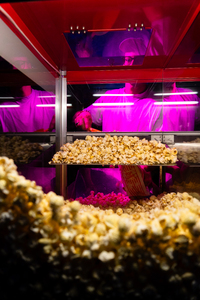
Und auch in diesem Jahr stürmen wir hinaus auf die grüne Wiese und frönen den lauen Juni-Nächten beim HfG Open Air Kino. Wir danken dem Open-Air-Kino-Gott, dass es ihn gibt und den extra-hellen 4KW-Xenon-Kolben, die die Nacht zum Tage machen, oder zumindest an den längsten Tagen des Jahres noch etwas auf der Leinwand erkennen lassen. In diesem Jahr nicht auf zwei Wochenenden aufgeteilt sondern an einem Stück durchgeballert, erwarten euch 5 Tage Festivalstimmung mit Musik, Kurzfilmen, Drinks und lecker Essen und natürlich nicht zuletzt einige der schönsten Dinge, die die siebte Kunst in den letzten 100 Jahren so hervorgebracht hat.
- OPEN AIR KINO
- Beschreibung (en)
- OPEN AIR CINEMA
Save the Date: OPEN AIR CINEMA in front of the HfG from June 20 - 24, 2024. This year we will once again storm out onto the green meadow and indulge in the balmy June nights at the HfG Open Air Cinema. We thank the open-air cinema god that he exists and invite you to 5 days of festival atmosphere with music, short films, drinks and some of the most beautiful things (films) that the seventh art has produced in the last 100 years.
- OPEN AIR CINEMA
- Kategorie
- Typ des Projekts/Werks
- Schlagworte
- Datierung
- 20.06.2024 - 24.06.2024
- Dank an
- Ort: Institution
- Ort
- Grüne Wiese
- Stadt
- Land
- Titel
- Open Air Kino 2024 - Kino Im Blauen Salon
- Semester
- Importiert am
- 16.07.2024
- Übergeordnete Sets
- 0
- Set enthält
- 0 12
Oh Tannenbaum!
Name that can easily go onto 2 lines
Author that can easily go onto 2 lines as well
- Titel
- Oh Tannenbaum!
- Titel (en)
- Oh Tannenbaum!
- Untertitel
- Designers Christmas Trees
- Beschreibung (de)
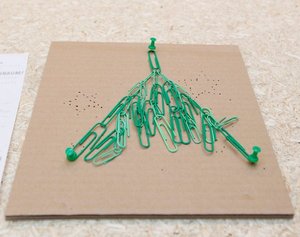
- Die Ausstellung »Oh Tannenbaum« spielt mit dem Symbol, dem allgemeinen Bild des Weihnachtsbaumes: Sie zeigt Exponate, die sich teils weit entfernt von der gängigen Vorstellung des Tannenbaums befinden und doch immer auf unterschiedlichste Art auf sie verweisen.
Der Titel der Ausstellung drückt in seiner Schreibweise sowohl die be- bis entgeisterte Betrachtung der Exponate als auch die be- bis entgeisterte gestalterische Annäherung an das Thema aus. Ob begeisternd, bestürzend oder belächelt – jedes einzelne Exponat zeugt von einem ganz eigenen Bild des jeweiligen Gestalters vom Weihnachtsbaum, das mal mehr, mal weniger mit dem allgemeinen Bild des Weihnachtsbaums korrespondiert.
Kaum ein anderes Objekt bietet hier so viel Spielraum, zeigt so viel Potential: Das Nebeneinander des einerseits so Speziellen, des eindeutigen und verbreiteten Bilds – ein in grüne Nadeln, (rote) Kugeln und (weiße) Kerzen gewandeter Kegel – und des andererseits so viel Allgemeines implizierenden Symbols macht den Weihnachtsbaum zu einem solch besonderen Objekt.
Er ist heidnisch und christlich, er steht im Super- und auf dem Weihnachtsmarkt, steht für Fruchtbarkeit und Kommerz, im Wohnzimmer und auf dem Marktplatz – in Stockholm und Kapstadt, Miami und Peking – und bietet aus verschiedensten Positionen und Blickwinkeln entsprechend unterschiedliche Gesichter.
Dass dieser Baum in all den religiösen, profankulturellen, kommerziellen, formalen, historischen, familiären, sozialen und sonstigen Böden Wurzeln schlagen konnte und aus all diesen doch zu einer so eindeutigen und unverwechselbar immergrünen Ikone wuchs, scheint den Gestaltern so viele Ansatzpunkte zu Idealisierung, Ironisierung, Kritik, Collage, Persiflage, Hinterfragung, Überzeichnung, Verballhornung oder sonstiger Gestaltung zu bieten.
Vielleicht entlocken Ihnen die Motive ja auch ein entzücktes "Oh Ja!", das ein oder andere "Oh je" und vielleicht auch so manches "Oh nein!"...
Fröhliches Betrachten!
Johannes Marmon & Johannes Müller
- Die Ausstellung »Oh Tannenbaum« spielt mit dem Symbol, dem allgemeinen Bild des Weihnachtsbaumes: Sie zeigt Exponate, die sich teils weit entfernt von der gängigen Vorstellung des Tannenbaums befinden und doch immer auf unterschiedlichste Art auf sie verweisen.
- Beschreibung (en)
- The exhibition »Oh Tannenbaum« plays with the iconic symbol of the Christmas tree. Although some of the contributions are far removed from the popular notion of what this tree looks like, each refers to the traditional image in its own way.
The unusual spelling in the title of the exhibition – “Oh” rather than the conventional “O” Tannenbaum – is intended to convey both the range of possible reactions to the works on show – from enthusiastic approval to bemused consternation – and the equally diverse creative approaches to the chosen theme. Whether it elicits a smile of amusement, an appreciative nod or a shocked gasp, each exhibit reflects its creator’s personal vision of the Christmas tree, which may or may not correspond to the standard image of this object.
Few other objects offer as much scope for interpretation or have such evocative potential as the Christmas tree. The combination of the specific and the universal is what makes it so unique – on the one hand there is the classic image of a cone-shaped object clad in green needles, (red) baubles and (white) candles, and on the other is the widespread recognition and value of this symbol.
The Christmas tree is both pagan and Christian; it can be found in supermarkets and at winter fairs; it represents fertility and commerce; it is put on display in living rooms and on public squares from Stockholm to Cape Town, Miami to Beijing – and takes on a new appearance from every different angle.
The fact that this tree has put down roots in all these different religious, secular, commercial, formal, historical, familial, social and other traditions, yet has still managed to grow into such an unmistakable evergreen icon, provides many valuable starting points for idealizing, ironic, critical, collaged, satirical, challenging, exaggerating, parodying and other individual forms of interpretation.
Now all that remains to be seen is which interpretations among those presented here will make you respond with a delighted “Oh yes!”, the occasional “Oh dear” and even the odd “Oh no!”...
Happy viewing!
Johannes Marmon & Johannes Müller
- The exhibition »Oh Tannenbaum« plays with the iconic symbol of the Christmas tree. Although some of the contributions are far removed from the popular notion of what this tree looks like, each refers to the traditional image in its own way.
- Typ des Projekts/Werks
- Datierung
- 2004 / 2013
- Ort
- Hochschule für Gestaltung
- Stadt
- Land
- Internetlinks
- Titel
- Oh Tannenbaum!
- Importiert am
- 03.07.2018
- Übergeordnete Sets
- 2
- Set enthält
- 0 45
Objekte - a staged performance at a place no longer quiet
Name that can easily go onto 2 lines
Author that can easily go onto 2 lines as well
- Titel
- Objekte - a staged performance at a place no longer quiet
- Autor/in
- Beschreibung (de)
- In "a staged performance at a place no longer quiet" werden fünf klischeehafte Figuren durch Animation zum Leben erweckt und durch Requisiten in der physischen Welt mit Körpern ausgestattet. Anstatt eine Handlung zu entwickeln, bleiben sie in ihren Monologen stecken und reflektieren über ihre zugewiesenen Rollen. Die Figuren warten auf den Moment, in dem die Geschichte beginnen soll. Da das Stück jedoch nie beginnt und die klassische Struktur einer Aufführung auseinanderfällt, können die Figuren nicht in einen Dialog miteinander treten, sondern nur für sich selbst sprechen. Jeder verkörpert individuell seine Rolle und die vielen Geschichten, die mit ihm erzählt wurden. In den Rissen zwischen den Fragmenten, aus denen sie bestehen, geben alle fünf Figuren einen Einblick, wie wir Geschichten konstruieren und Zeichnungen zum Leben erwecken.
- Beschreibung (en)
- In a staged performance at a place no longer quiet, 5 cliché characters are brought to life through animation and given bodies through props in the physical world. Instead of developing a plot, they remain stuck in their monologues and reflect on their assigned roles. The characters wait for the moment of a story to begin. However, as the play never begins and the classical structure of a performance falls apart, the characters cannot enter into a dialogue with each other, but only speak for themselves. Each one embodies their role individually and the many stories that have been told with them. In the cracks between the fragments of which they are made, all 5 characters provide an insight into how we construct stories and bring drawings to life.
- Kategorie
- Datierung
- 06.12.2023
- Material
- Technik/Verfahren/Formate
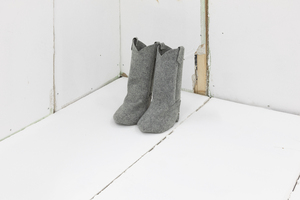
- Die Objekte bestehen aus Filz und teilweise Siebdruckfarbe. Ohne Siebdruckfarbe: Hand, Neck Piece, Cowboy Boots und Breast Plate.
- Abmessungen
- Die Objekte haben unterschiedliche Maße.
- Titel
- Objekte - a staged performance at a place no longer quiet
- Projektleiter/in
- Semester
- Studiengang
- Typ der Abschlussarbeit
- Importiert am
- 15.02.2024
- Übergeordnete Sets
- 1
- Set enthält
- 0 14
Oberfläche schwarz/blau/grün
Name that can easily go onto 2 lines
Author that can easily go onto 2 lines as well
- Titel
- Oberfläche schwarz/blau/grün
- Titel (en)
- Surface Black/Blue/Green
- Autor/in
- Beschreibung (de)
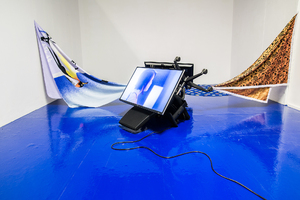
- Bei der 2-Kanal-Videoinstallation „Oberfläche schwarz/blau/grün“ zum Thema Migration werden zwei Situationen betrachtet und einander gegenübergestellt: Migration von einem Land in ein anderes und Migration auf einen anderen Planeten.
- Beschreibung (en)
- The two-channel video installation is about migration, in which two situations are considered and contrasted: migration from one country to another and migration to another planet.
- Kategorie
- Schlagworte
- Titel
- Oberfläche schwarz/blau/grün
- Projektleiter/in
- Semester
- Studiengang
- Typ der Abschlussarbeit
- Importiert am
- 01.08.2024
- Übergeordnete Sets
- 1
- Set enthält
- 1 10
No Mythologies to Follow - Snapshots
Name that can easily go onto 2 lines
Author that can easily go onto 2 lines as well
- Titel
- No Mythologies to Follow - Snapshots
- Autor/in
- Beschreibung (de)
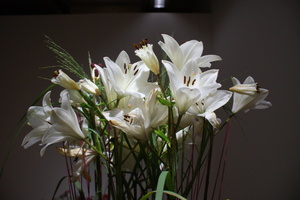
- Die Schnappschüsse gehören zum Diplomprojekt "No Mythologies to Follow":
https://madek.hfg-karlsruhe.de/sets/cceba5dd-8354-…
- Die Schnappschüsse gehören zum Diplomprojekt "No Mythologies to Follow":
- Titel
- No Mythologies to Follow - Snapshots
- Importiert am
- 30.07.2024
- Übergeordnete Sets
- 0
- Set enthält
- 0 117
No Mythologies To Follow
Name that can easily go onto 2 lines
Author that can easily go onto 2 lines as well
- Titel
- No Mythologies To Follow
- Autor/in
- Beschreibung (de)
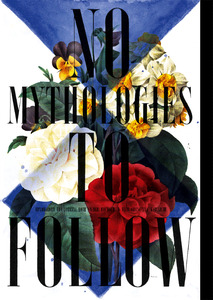
- "No Mythologies To Follow" zeigt Blumenarrangements für die neun Kulturgüter der Stadt Karlsruhe, die unter Schutz der Haager Konvention stehen.
Die Konvention ist ein völkerrechtlicher Vertrag, der auf Grund der Erfahrungen vorangegangener Weltkriege durch die UNESCO (United Nations Educational, Scientific and Cultural Organization) im Jahr 1954 ins Leben gerufen wurde. Sie stellt (un)bewegliche
Kulturgüter im bewaffneten Konfliktfall unter Schutz. Das heißt, die gelisteten Gebäude dürfen im Kriegsfall von Mitgliedsstaaten nicht geplündert oder attackiert werden, da „jede Schädigung von Kulturgut, gleichgültig welchem Volke es gehört, eine Schädigung des kulturellen Erbes der ganzen Menschheit bedeutet.“ Die Auswahlkriterien für schützenswertes Kulturgut sind dabei nicht immer klar nachzuvollziehen und zeigen, dass Kultur und ihre Bewertung stets an die jeweilige Gesellschaft und ihr Zeitverständnis gebunden ist. Nach der Haager Konvention gibt es Kulturgüter deren „Erhaltung (…) für alle Völker der Welt von großer Bedeutung ist.“
Die Blumenarrangements werden in der Ausstellung zu Akteuren, die für einen anderen Umgang mit Kulturgut stehen. Durch sie wird Vergänglichkeit artikuliert.
Zitate aus: Konvention zum Schutz von Kulturgut bei bewaffneten Konflikten – Haager Konvention vom 14. Mai 1954.
- "No Mythologies To Follow" zeigt Blumenarrangements für die neun Kulturgüter der Stadt Karlsruhe, die unter Schutz der Haager Konvention stehen.
- Beschreibung (en)
- “No Mythologies To Follow” shows flower arrangements for the nine cultural assets of the city of Karlsruhe that are protected by the Hague Convention.
The Convention is a treaty under international law that was brought into being by UNESCO (United Nations Educational, Scientific and Cultural Organization) in 1954 as a result of the experiences of previous world wars. It provides (in)movable
cultural property under protection in the event of armed conflict. This means that the listed buildings may not be looted or attacked by member states in the event of war, as “any damage to cultural property, regardless of the people to whom it belongs, means damage to the cultural heritage of all mankind.” The selection criteria for cultural property worthy of protection are not always clear and show that culture and its evaluation are always linked to the respective society and its understanding of the times.
is bound to the respective society and its understanding of time. According to the Hague Convention, there are cultural assets whose “preservation (...) is of great importance to all peoples of the world.”
In the exhibition, the flower arrangements become actors that stand for a different approach to cultural assets. They articulate transience.
Quotes from: Convention for the Protection of Cultural Property in the Event of Armed Conflict - Hague Convention of May 14, 1954.
- “No Mythologies To Follow” shows flower arrangements for the nine cultural assets of the city of Karlsruhe that are protected by the Hague Convention.
- Kategorie
- Typ des Projekts/Werks
- Schlagworte
- Mitwirkende
- Dank an
- Harald Bogdan
- Michael Clegg
- Anja Dorn
- Pham Minh Duc
- Friedemann Dupelius
- Lotte Effinger
- Susan Funk
- Hasan Halilovic
- Korbinian Herlein
- Burkhard Hoth
- Erika Hoth
- Katharina Hoth
- Achim Kaltwasser
- Wilfried Kuehn
- Barbara Kuon
- Gisbert Laaber
- Armin Linke
- Henrike Mall
- Isabel Mehl
- Nicolas Rauch
- Gerald Reinhardt
- Christiane Riedel
- Thomas Rustemeyer
- Martina Stern
- Felicitas Wetzel
- Tobias Wootton
- Emre Yilmaz
- Ort: Institution
- Ort
- Ausstellungsraum EG
- Stadt
- Beteiligte Institution(en)
- Titel
- No Mythologies To Follow
- Semester
- Studiengang
- Typ der Abschlussarbeit
- Importiert am
- 30.07.2024
- Übergeordnete Sets
- 3
- Set enthält
- 6 6
Nichts, was uns passiert oder Genügend Anlass zur Erhebung der öffentlichen Klage
Name that can easily go onto 2 lines
Author that can easily go onto 2 lines as well
- Titel
- Nichts, was uns passiert oder Genügend Anlass zur Erhebung der öffentlichen Klage
- Titel (en)
- Nothing that happens to us or Sufficient reason to file a public complaint
- Untertitel
- Hörstück und (Körper-) Übung eines Dialogs
- Untertitel des Projekts/Werks (en)
- Audio piece and (physical) exercise of a dialog
- Autor/in
- Beschreibung (de)
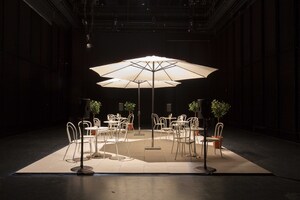
- Die Arbeit „Nichts, was uns passiert“ oder „Genügend Anlass zur Erhebung der öffentlichen Klage“ thematisiert den Umgang mit sexueller Gewalt in unserer Gesellschaft. Sie fragt, wie und vor allem ob wir durch unsere Sozialisierung gelernt haben, über sexuelle Gewalt zu sprechen. Sie fragt nach dem Vermögen, uns diese Art von Gewalt in unserem eigenen Umfeld (Familie, Freundeskreis, Arbeitsgemeinschaft, u.a.) vorzustellen und danach, warum Erzählungen über sexuelle Gewalt meist in der Ferne, im Abstrakten verortet werden.
- Beschreibung (en)
- The work "Nichts, was uns passiert" (Nothing that happens to us) or "Genügend Anlass zur Erhebung der öffentlichen Klage" (Sufficient reason to file a public complaint) addresses how we deal with sexual violence in our society. It asks how and, above all, whether we have learned to talk about sexual violence through our socialization. It asks about our ability to imagine this kind of violence in our own environment (family, circle of friends, work community, etc.) and why stories about sexual violence are usually located in the distance, in the abstract.
- Kategorie
- Schlagworte
- Mitwirkende
- Titel
- Nichts, was uns passiert oder Genügend Anlass zur Erhebung der öffentlichen Klage
- Projektleiter/in
- Semester
- Studiengang
- Typ der Abschlussarbeit
- Importiert am
- 24.06.2024
- Übergeordnete Sets
- 1
- Set enthält
- 0 4
Mythos Großstadt
Name that can easily go onto 2 lines
Author that can easily go onto 2 lines as well
- Titel
- Mythos Großstadt
- Titel (en)
- The myth of the big city
- Untertitel
- Untersuchungen zur Stadtwahrnehmung in der Fotografie am Beispiel von Eugène Atget, Berenice Abbott und Andreas Feininger
- Autor/in
- Beschreibung (de)
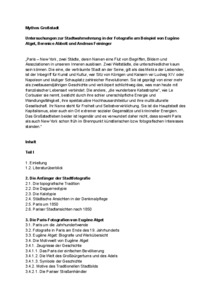
- „Paris – New York, zwei Städte, deren Namen eine Flut von Begriffen, Bildern und Assoziationen in unserem Inneren auslösen. Zwei Weltstädte, die unterschiedlicher kaum sein können. Die eine, die verträumte Stadt an der Seine, gilt als das Mekka der Liebenden, ist der Inbegriff für Kunst und Kultur, war Sitz von Königen und Kaisern wir Ludwig XIV. oder Napoleon und blutiger Schauplatz zahlreicher Revolutionen. Sie ist geprägt von einer mehr als zweitausendjährigen Geschichte und verkörpert schlichtweg das, was man heute mit französischer Lebensart verbindet. Die andere, 'die wunderbare Katastrophe', wie Le Corbusier sie nennt, besticht durch ihre schier unerschöpfliche Energie und Wandlungsfähigkeit, ihre spektakuläre Hochhausarchitektur und ihre multikulturelle Gesellschaft. Ihr Name steht für Freiheit und Selbstverwirklichung. Sie ist die Hauptstadt des Kapitalismus, aber auch ein Ort extremer sozialer Gegensätze und krimineller Energien.
Das Großstadtleben beider ist legendär und es verwundert daher nicht, dass sowohl Paris als auch New York schon früh im Brennpunkt künstlerischen bzw. fotografischen Interesses standen.”
- „Paris – New York, zwei Städte, deren Namen eine Flut von Begriffen, Bildern und Assoziationen in unserem Inneren auslösen. Zwei Weltstädte, die unterschiedlicher kaum sein können. Die eine, die verträumte Stadt an der Seine, gilt als das Mekka der Liebenden, ist der Inbegriff für Kunst und Kultur, war Sitz von Königen und Kaisern wir Ludwig XIV. oder Napoleon und blutiger Schauplatz zahlreicher Revolutionen. Sie ist geprägt von einer mehr als zweitausendjährigen Geschichte und verkörpert schlichtweg das, was man heute mit französischer Lebensart verbindet. Die andere, 'die wunderbare Katastrophe', wie Le Corbusier sie nennt, besticht durch ihre schier unerschöpfliche Energie und Wandlungsfähigkeit, ihre spektakuläre Hochhausarchitektur und ihre multikulturelle Gesellschaft. Ihr Name steht für Freiheit und Selbstverwirklichung. Sie ist die Hauptstadt des Kapitalismus, aber auch ein Ort extremer sozialer Gegensätze und krimineller Energien.
- Beschreibung (en)
- "Paris - New York, two cities whose names trigger a flood of concepts, images and associations within us. Two cosmopolitan cities that could hardly be more different. One, the dreamy city on the Seine, is considered the Mecca of lovers, is the epitome of art and culture, was the seat of kings and emperors such as Louis XIV and Napoleon and the bloody scene of numerous revolutions. It is characterized by more than two thousand years of history and simply embodies what is associated with the French way of life today. The other, 'the marvelous catastrophe', as Le Corbusier called it, captivates with its sheer inexhaustible energy and adaptability, its spectacular high-rise architecture and its multicultural society. Its name stands for freedom and self-realization. It is the capital of capitalism, but also a place of extreme social contrasts and criminal energy.
The big city life of both is legendary and it is therefore not surprising that both Paris and New York were the focus of artistic and photographic interest early on."
- "Paris - New York, two cities whose names trigger a flood of concepts, images and associations within us. Two cosmopolitan cities that could hardly be more different. One, the dreamy city on the Seine, is considered the Mecca of lovers, is the epitome of art and culture, was the seat of kings and emperors such as Louis XIV and Napoleon and the bloody scene of numerous revolutions. It is characterized by more than two thousand years of history and simply embodies what is associated with the French way of life today. The other, 'the marvelous catastrophe', as Le Corbusier called it, captivates with its sheer inexhaustible energy and adaptability, its spectacular high-rise architecture and its multicultural society. Its name stands for freedom and self-realization. It is the capital of capitalism, but also a place of extreme social contrasts and criminal energy.
- Kategorie
- Typ des Projekts/Werks
- Schlagworte
- Datierung
- 2003
- Sprache
- Ort: Institution
- Stadt
- Titel
- Mythos Großstadt
- Projektleiter/in
- Studiengang
- Typ der Abschlussarbeit
- Archiv-Signatur
- HfG HS 2003 02
- Externes Archiv
- Importiert am
- 16.06.2024
- Übergeordnete Sets
- 2
- Set enthält
- 0 2
MYCOSKENE
Name that can easily go onto 2 lines
Author that can easily go onto 2 lines as well
- Titel
- MYCOSKENE
- Titel (en)
- Mycoskene
- Untertitel
- Zur wuchernden Verflechtung einer singularisierten Zeit
- Untertitel des Projekts/Werks (en)
- Or on the rampant interweaving of a singularized time
- Autor/in
- Beschreibung (de)
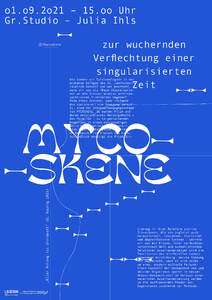
- MYCOSKENE ist eine material-theoretische Verflechtung rund um das Thema Mycelium, dem unterirdischen Hyphengeflecht der Pilze. Ob als sozio-philosophische Metapher, Bau- und Gestaltungsmaterial oder in Form einer multi-medialen Rauminstallation – in ihrer Arbeit folgte die Szenografin und Konzepterin Julia Ihls über 8 Monate den fein verwobenen Strukturen jener Organismen, die durch ihre eigene Zeitlichkeit und Qualitäten zu maßgeblichen Co-Gestaltenden wurden.
- Beschreibung (en)
- MYCOSKENE is a material-theoretical interweaving around the theme of mycelium, the subterranean network of hyphae of fungi. Whether as a socio-philosophical metaphor, building and design material or in the form of a multi-media spatial installation - in her work, scenographer and conceptual designer Julia Ihls followed the finely interwoven structures of these organisms for over 8 months, which became decisive co-creators through their own temporality and qualities.
- Kategorie
- Typ des Projekts/Werks
- Schlagworte
- Datierung
- 01.09.2021 - 03.09.2021
- Mitwirkende
- Sprache
- Ort: Institution
- Ort
- Großes Studio
- Stadt
- Land
- Internetlinks
- Walkthrough Video: https://vimeo.com/653230334
Doku Film:
Instagram: @mycoskene https://www.instagram.com/mycoskene/?hl=de
Website: https://mycoskene-.hotglue.me/
- Walkthrough Video: https://vimeo.com/653230334
- Titel
- MYCOSKENE
- Projektleiter/in
- Semester
- Studiengang
- Typ der Abschlussarbeit
- Importiert am
- 14.12.2023
- Übergeordnete Sets
- 3
- Set enthält
- 0 11
Medienkunst 2024
Name that can easily go onto 2 lines
Author that can easily go onto 2 lines as well
- Titel
- Medienkunst 2024
- Titel
- Medienkunst 2024
- Importiert am
- 26.08.2024
- Übergeordnete Sets
- 0
- Set enthält
- 2 1
Material Practice: Hyper Materials - Triangel
Name that can easily go onto 2 lines
Author that can easily go onto 2 lines as well
- Titel
- Material Practice: Hyper Materials - Triangel
- Titel (en)
- Material Practice: Hyper Materials - Triangel
- Autor/in
- Beschreibung (de)
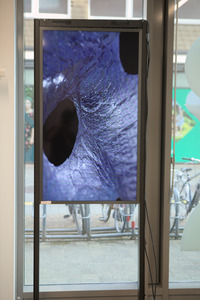
- Material Practice ist eine Reihe von Kunstwerken, die sich auf transformative Materialien und Texturen konzentrieren und diese durch eine soziologische Linse untersuchen. Die von uns untersuchten und verwendeten Materialien sind Nickel, Metall und Erde, die die Grundlage für alles sind, was wir finden können, unabhängig davon, wo wir uns befinden.
Unser Begriff "Hyper Materials" dreht sich um Solidarität, unabhängig von der individuellen Herkunft, und wurde von der Solidarität in der Kultur und der Gemeinschaft inspiriert, die sich auf die Rave-Kultur, den Tanz, Musikstile mit materialistischen Merkmalen usw. bezieht.
Wir haben eine Verbindung gefunden, die sich um Befreiung und die Förderung einer einladenden Gemeinschaft für Minderheiten dreht und sich auf die Menschlichkeit konzentriert, und haben dann die spezifischen Merkmale gesammelt und kombiniert. Verzerrte und glitchige Texturen scheinen nicht das zu sein, was sie sind, sondern deuten letztlich auf sich selbst hin.
- Material Practice ist eine Reihe von Kunstwerken, die sich auf transformative Materialien und Texturen konzentrieren und diese durch eine soziologische Linse untersuchen. Die von uns untersuchten und verwendeten Materialien sind Nickel, Metall und Erde, die die Grundlage für alles sind, was wir finden können, unabhängig davon, wo wir uns befinden.
- Beschreibung (en)
- Material Practice is a series of artworks that focus on transformative materials and textures, researching them through a sociological lens. The materials we researched and used are nickel, metal, and earth, which are the basis of everything we can find regardless of where we are.
Our term “Hyper Materials” centres on solidarity regardless of individual backgrounds and has been inspired by solidarity in the culture and community, which relates to rave culture, dance, music styles with materialistic features, and so on.
We found a connection that revolves around liberation and fostering a welcoming community for minorities, focusing on humanity, and then collected and combined the specific features. Distorted and glitchy textures do not seem to be what they are but indicate themselves in the end.
- Material Practice is a series of artworks that focus on transformative materials and textures, researching them through a sociological lens. The materials we researched and used are nickel, metal, and earth, which are the basis of everything we can find regardless of where we are.
- Typ des Projekts/Werks
- Schlagworte
- Datierung
- 07.06.2024
- Technik/Verfahren/Formate
- 4 Displays Installation
- Beteiligte Institution(en)
- Titel
- Material Practice: Hyper Materials - Triangel
- Importiert am
- 05.06.2024
- Übergeordnete Sets
- 1
- Set enthält
- 0 23